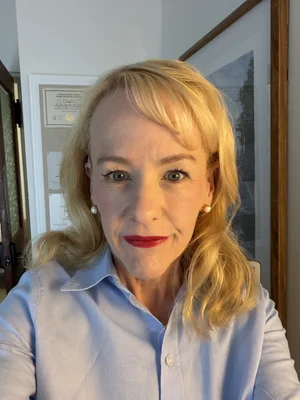
My Lipedema Journey: Finding Answers, Finding Hope
For as long as I can remember, I had big, heavy legs.
Shopping for clothes was always frustrating. I had to buy pants large enough to fit my legs, only to have a waistband that gaped in the back. Knee-high boots? I stopped trying years ago. My legs bruised easily, felt heavy, and often ached, but I assumed that was simply the way I was built. I blamed genetics and never questioned it.
Everything changed in 2021.
While studying Manual Lymphatic Drainage, I was introduced to a condition called lipedema. As I looked through photos and learned about the symptoms, I felt like someone had finally put a name to something I had experienced my entire life.
Those legs in the photos looked just like mine.
The heaviness. The disproportionate fat distribution. The tenderness. The easy bruising. Suddenly, everything made sense.
Like many people with lipedema, getting answers wasn't easy. It took time, research, and persistence before I was finally able to receive an official diagnosis from my vascular physician.
With that diagnosis came both relief and uncertainty.
I wanted to learn everything I could, including whether lipedema reduction surgery would be the right path for me. I met with Dr. Thomas Wright, who diagnosed me with Stage 2, Type 3 lipedema involving my arms as well. Based on the extent of my disease, he recommended five lipedema reduction surgeries.
At the time, insurance companies generally required a trial of conservative therapy before considering coverage for surgery. Rather than seeing that as an obstacle, I decided to fully commit to giving conservative care my best effort.
I embraced an anti-inflammatory lifestyle, received regular Manual Lymphatic Drainage treatments, wore compression garments every day (and still do), incorporated dry brushing, used a vibration plate, and spent time with a pneumatic compression pump most days.
Within three months, I was amazed.
My swelling decreased. My inflammation improved. My legs felt lighter. For the first time in years, I felt like I was making real progress.
Because of those improvements, I made the decision to postpone surgery and continue with conservative therapy.
Today, more than two years later, I can honestly say that conservative treatment has changed my life.
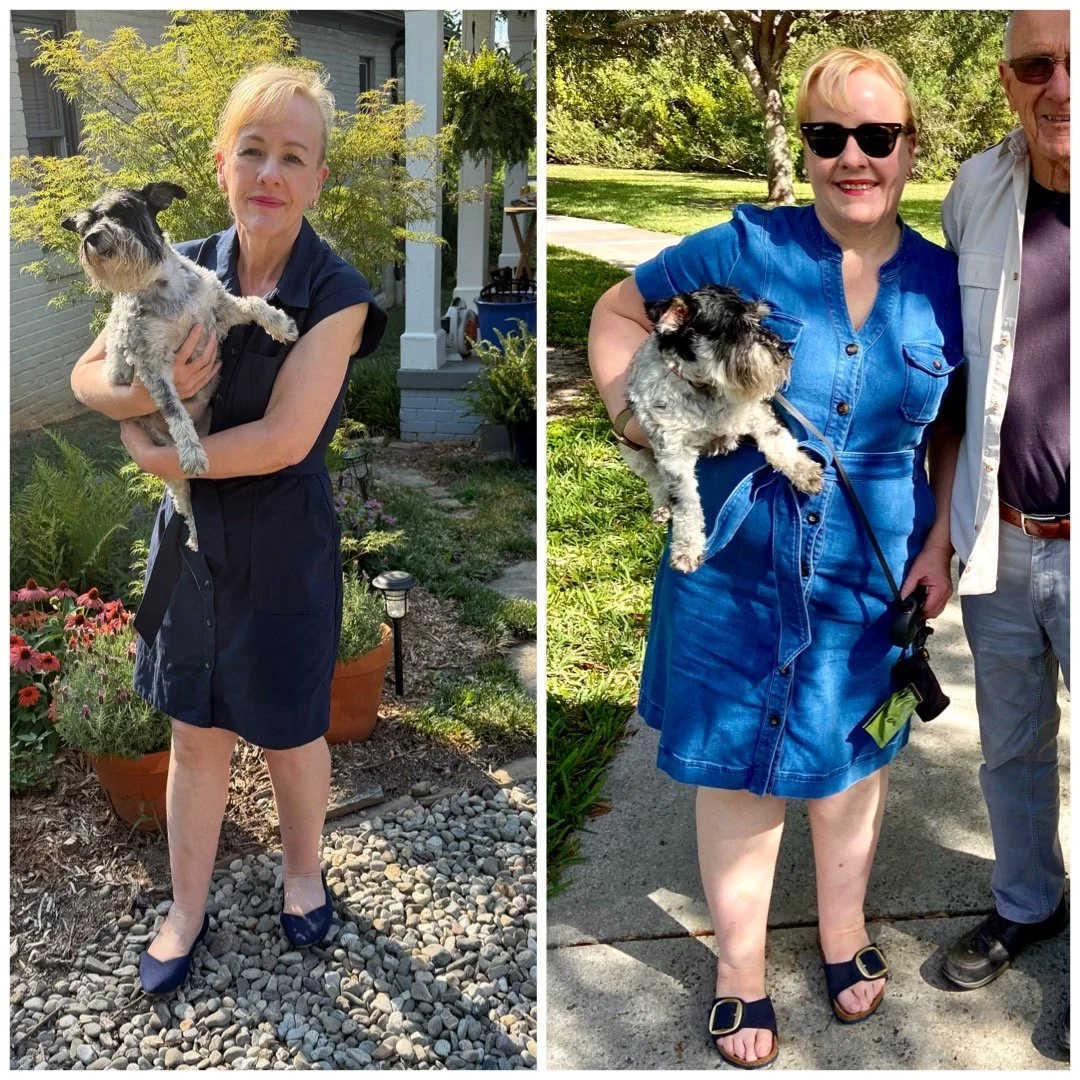
Do I still have lipedema? Yes.
Do I still experience heaviness, swelling, pain, and bruising? Absolutely.
But those symptoms are manageable, and my quality of life is dramatically better than I ever imagined it could be.
Could surgery still be part of my future? Possibly. If my symptoms progress or conservative therapy no longer provides the relief it does today, I would absolutely reconsider it. Lipedema reduction surgery is a valuable option for many people, and every journey is different.
For now, though, I am grateful for where I am.
This experience has shaped not only my personal health journey but also the way I care for my clients. I understand the frustration of searching for answers, feeling misunderstood, and wondering if anyone truly understands what you're experiencing.
Whether you're newly diagnosed, suspect you may have lipedema, or are simply looking for support, know that you are not alone. There are options. There is hope. And while there is currently no cure for lipedema, conservative therapy can make a meaningful difference in managing symptoms and improving quality of life.
My journey is proof of that.